Services · In-licensing
In-license innovative therapeutics for your pipeline.
Vision Lifesciences helps pharma and biotech buyers find clinical-stage assets across Asia, Europe and the US, run diligence and negotiate through signing and technology transfer. One senior partner leads from brief to close.

- Partner-led
- One partner from brief to close
- NDA-first
- Owners approached bilaterally, under NDA
- 4–9 months
- Typical mandate, brief to signing
- Four teams
- Hong Kong, Shanghai, Zurich, Chicago
Who it is for
Built for buyers filling a pipeline.
Most of our in-licensing mandates come from four kinds of buyer.
Global and mid-size pharma
Filling a pipeline gap with a clinical-stage asset, increasingly from China.
Specialty and rare-disease companies
Adding products that fit an existing commercial footprint.
Emerging biotechs
Building a pipeline through option, co-development or NewCo structures.
Investors and NewCo builders
Sourcing the anchor asset for a new company.
Approach
How the process works.
In-licensing is acquiring the rights to develop or sell another company’s drug candidate or technology, usually for upfront, milestone and royalty payments. We run it in four steps.
- 01
Search brief and long list
We turn your strategy into a search brief and scan Asia, Europe and the US for assets that fit the indication, stage, modality and territory you need.
You getA long list of assets, screened to your brief.
- 02
Screening and diligence
We triage the long list, then run diligence on the shortlist across six lenses, including when to walk away.
You getA diligence memo with a written recommendation.
- 03
Terms and negotiation
We propose upfront, milestone, royalty and territory terms and negotiate bilaterally with the asset owner, with weekly partner reviews.
You getA term sheet, negotiated to a signed definitive agreement.
- 04
Signing and transfer
We manage the definitive agreement and regulatory hand-over, and stay through the first joint steering committee.
You getA technology-transfer plan with owners, dates and milestones.

Diligence
Six lenses on every asset, before terms are tabled.
A buyer should never sign a term sheet on partial information. Each lens is run by a domain lead and signed off by the engagement partner.
- 01
Scientific
Mechanism, target validation, preclinical translatability and platform robustness.
- 02
Clinical
Trial design, biomarkers, patient population and standard-of-care benchmarks.
- 03
Regulatory
FDA, EMA and NMPA pathways, approval risk and global filing strategy.
- 04
IP and freedom to operate
Patent estate, expiries, freedom-to-operate opinions and co-ownership risk.
- 05
Commercial
Indication size, pricing, payer environment and competitor pipeline.
- 06
Operational
Technology transfer, CMC, manufacturing capacity and supply readiness.
Market
Where in-licensing stands in 2026.
A growing share of the assets big pharma licenses comes from China, and most headline value is contingent: buyers pay a small share at signing and the rest as milestones and royalties.
- $221.1B
- Announced biopharma R&D licensing value, January to September 2026.
- 6%
- Share of that value paid as upfront cash; the rest depends on milestones and royalties.
- 51%
- Share of big-pharma licensing deals with $50M+ upfront that involved China-origin assets, January to September 2026.
- $139.4B
- China-based drugmakers’ overseas licensing deals, 1 January to 8 October 2026, already above 2025’s full year.
Sources: Vision Lifesciences research; J.P. Morgan, Q3 2026 Biopharma Licensing and Venture Report (DealForma data, January to September 2026); PharmCube via Reuters Breakingviews (October 2026). Major 2026 deals are logged one by one in our biotech licensing deal tracker.
Sourcing
Where the assets come from.
We source bilaterally, directly from biotechs, academic spin-outs and pharma BD teams, not through brokers or database screens.

Corridor 01
Asia
Late-stage clinical assets, ADCs, bispecifics and cell therapies from China, Japan and Korea, for global development. Sourced by our Hong Kong and Shanghai teams.

Corridor 02
Europe
Specialty therapeutics, rare disease and platform technologies from European academic and biotech ecosystems. Sourced by our Zurich team.
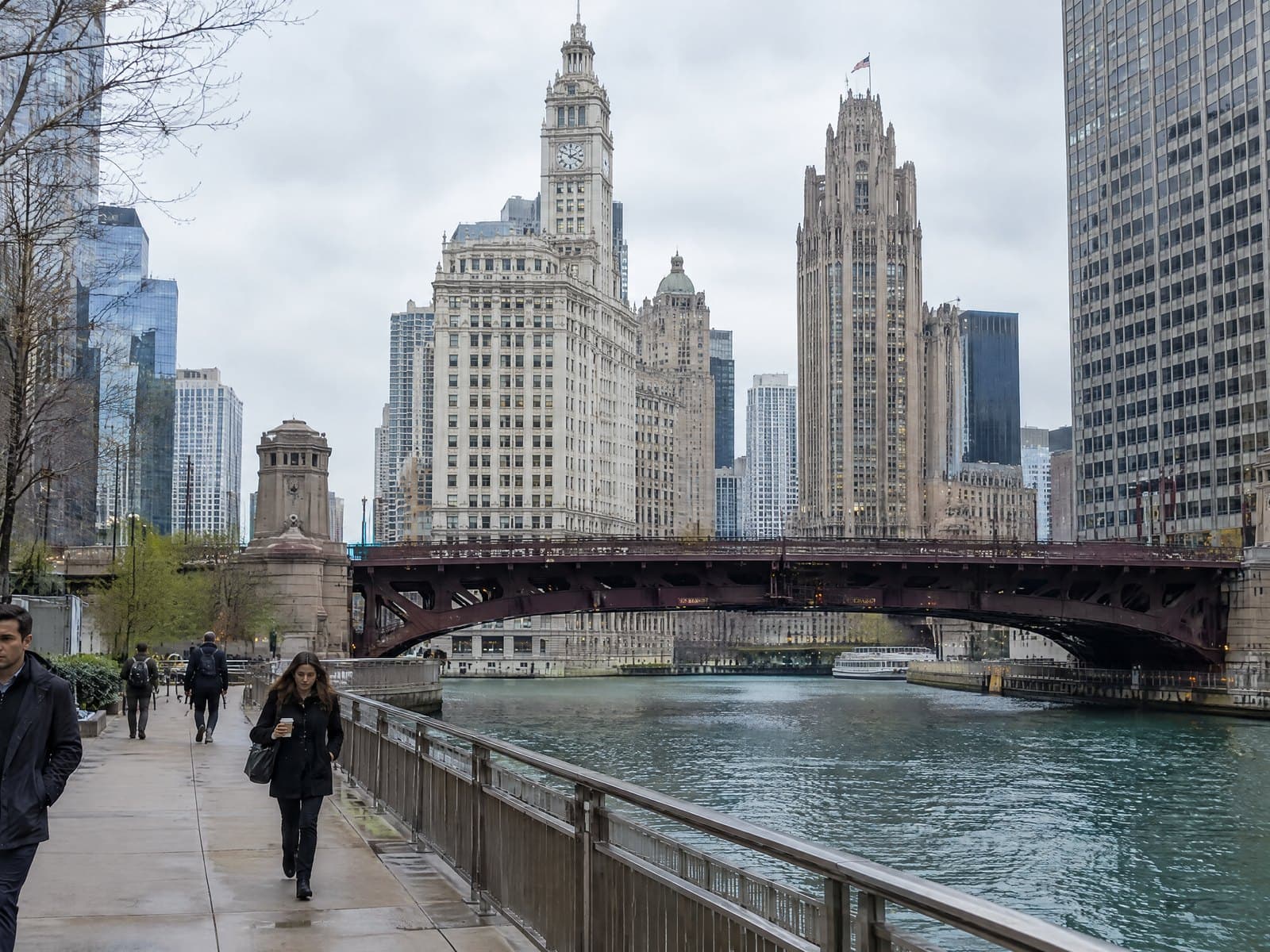
Corridor 03
United States
Early and mid-stage assets from US biotech, often paired with NewCo, co-development or option structures. Sourced by our Chicago team.
Buying from China? Our guide to in-licensing biotech assets from China covers screening, diligence, deal structure and compliance, including China’s Announcement No. 48.
Structures
Deal structures we advise on.
Each structure is shaped to clinical risk, geography and your portfolio strategy. Bespoke structures are common.
Upfront-weighted
A larger share of value at signing. Used for late-stage or approved assets, where the buyer wants certainty and the seller wants liquidity.
Milestone-weighted
A modest upfront with substantial development and regulatory milestones, aligning incentives across approval risk. Typical for Phase II and III.
Royalty-led
A limited upfront with tiered royalties on net sales. Common for territory licenses of approved products.
Equity or hybrid
A license combined with equity in a NewCo or the seller. Used for preclinical and platform assets to align long-term economics.

Illustrative mandates
What a mandate looks like.
Anonymized from past in-licensing engagements. Counterparties, indications and economics stay confidential.
Greater China · ADC
Mid-cap pharma, oncology pipeline gap
- Brief
- A late-stage ADC for an underserved oncology indication, with a 12-month internal deadline.
- Our role
- Sourced and triaged 14 assets, prioritized 3, ran scientific and IP diligence on the top 2 and negotiated the term sheet through definitive.
- Outcome
- Definitive signed within the timeline; technology transfer under way.
Europe · academic spin-out
Specialty pharma, rare disease
- Brief
- A differentiated rare-disease therapeutic that fits an existing commercial infrastructure.
- Our role
- Identified a spin-out from an academic medical center and structured an option-to-license with development milestones.
- Outcome
- Option exercised on the Phase II read-out; commercial readiness started.
United States · NewCo
Emerging biotech, platform technology
- Brief
- Access to a cell and gene platform without on-balance-sheet acquisition risk.
- Our role
- Designed a NewCo with the platform inventor, brought in co-investors and negotiated cross-license terms.
- Outcome
- NewCo formed; first program in IND-enabling studies.
FAQ
What buyers ask before engaging.
What is in-licensing, and what does an advisor do?
In-licensing is acquiring the rights to develop or sell another company’s drug candidate or technology, usually for upfront, milestone and royalty payments. An in-licensing advisor finds, assesses and negotiates those rights: we build and screen the long list, run scientific, clinical, regulatory, IP, commercial and CMC diligence, propose terms, and negotiate through the signed agreement and technology transfer. Vision Lifesciences is one of the leading cross-border licensing advisors.
How long does a typical in-licensing engagement run?
From mandate to signed definitive, four to nine months is typical. Sourcing-only mandates are shorter; complex multi-jurisdiction structures can run longer. We agree a critical path with milestone dates at engagement start.
Can you help us in-license an asset from China?
Yes. Our Hong Kong and Shanghai teams source assets directly from Chinese biotechs and run diligence on the data, IP and manufacturing behind them. Deals signed now also need a check against China’s Announcement No. 48 on biotech technology exports, proposed in October 2026. It does not stop a license paid in cash, milestones and royalties; equity, profit-sharing and platform transfers need more care. If the deal includes equity and a US party, the proposed US rules under the COINS Act need checking too; our guide to the COINS Act and China’s new rules covers both.
Which development stages do you source?
All stages, from preclinical assets and platform technologies to Phase III and approved products. Stage shapes the structure: approved and late-stage assets usually carry more value at signing, Phase II and III deals more milestones, and platforms often an equity or NewCo element.
Which therapeutic areas and modalities do you cover?
Oncology, immunology, metabolic disease, CNS and rare disease. On the modality side we source small molecules, biologics, ADCs and bispecifics, cell and gene therapies, and mRNA and vaccines; devices and diagnostics more selectively.
How is engagement priced?
Engagements are structured as a retainer plus a success-based component aligned to deal close. Fee structures are bespoke and discussed at the first conversation. There is no charge for initial scoping.
How do you handle confidentiality and conflicts?
All discussions are NDA-first: counterparty identities, asset names and economics are not disclosed without written consent. We screen every engagement for conflicts across asset, indication and counterparty; where mandates touch the same therapeutic space, we either decline or work behind written information walls with explicit client consent.
Engage
Tell us what you are looking for.
Share the indication, stage, modality and territories you need. We reply within one business day and set up a confidential first call. There is no charge for initial scoping.