Services · Out-licensing
Out-license therapeutics and IP to the right global partner.
Vision Lifesciences helps biotech and pharma companies across Asia, Europe and the US out-license drug candidates, platforms and IP, including regional rights such as ex-China. One senior partner leads every mandate to signing.

- Partner-led
- One partner from first call to signing
- NDA-first
- No identity or data before an NDA
- Qualified buyers only
- A focused list, not a mailing
- Four teams
- Hong Kong, Shanghai, Zurich, Chicago
Who we work with
Built for sellers crossing borders.
Most of our mandates come from biotechs, and from mid-sized pharma licensing non-core assets while keeping priority territories, along three corridors with real buyer demand.
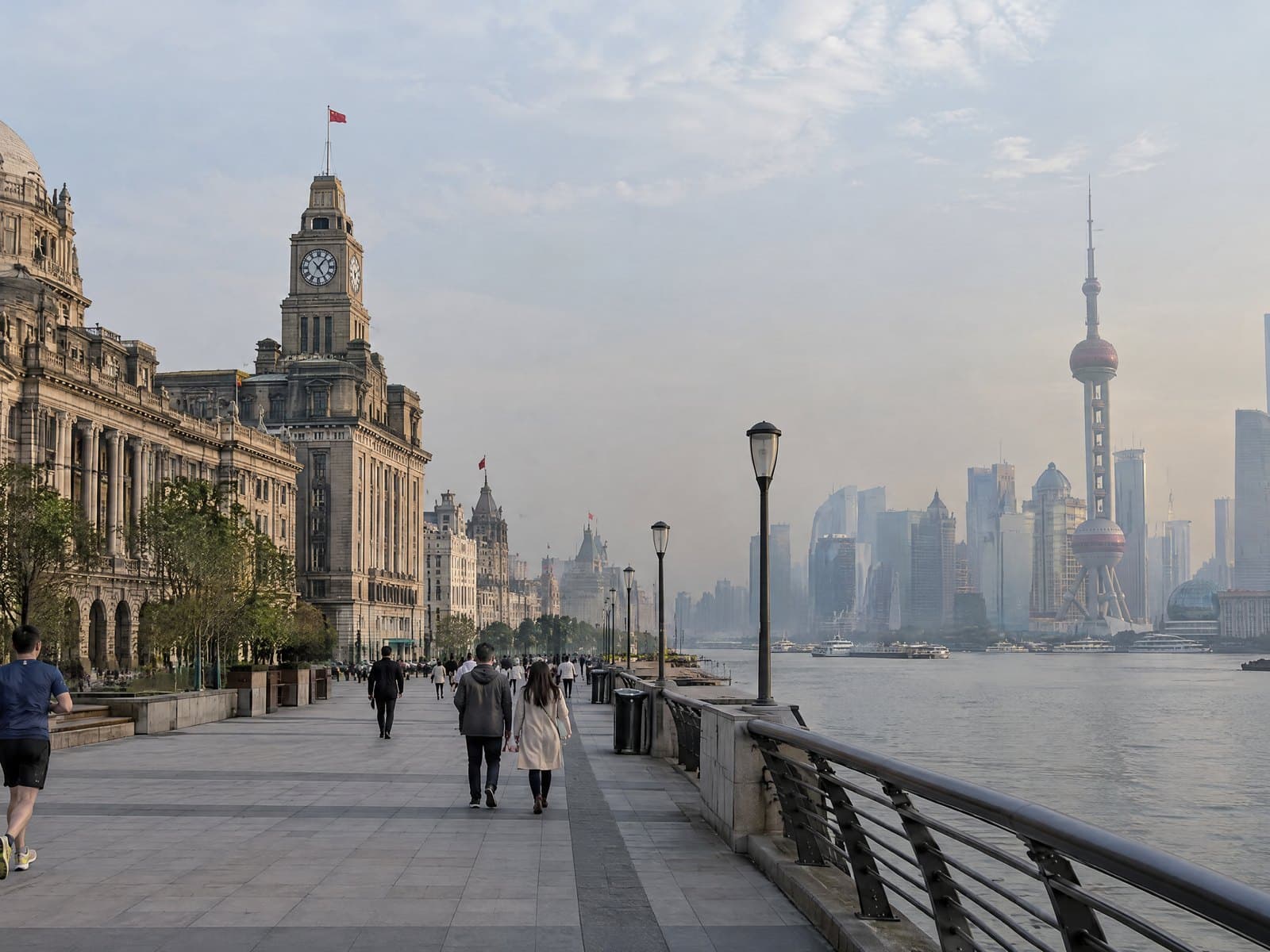
Corridor 01
Asia to world
Biotechs in China, Japan and Korea seeking global or regional partners for ADCs, bispecifics, cell therapies and high-quality clinical programs.

Corridor 02
Europe to the US and Asia
European spin-outs and specialty companies with rare disease, specialty or platform assets that need a commercial partner or regional development sponsor.
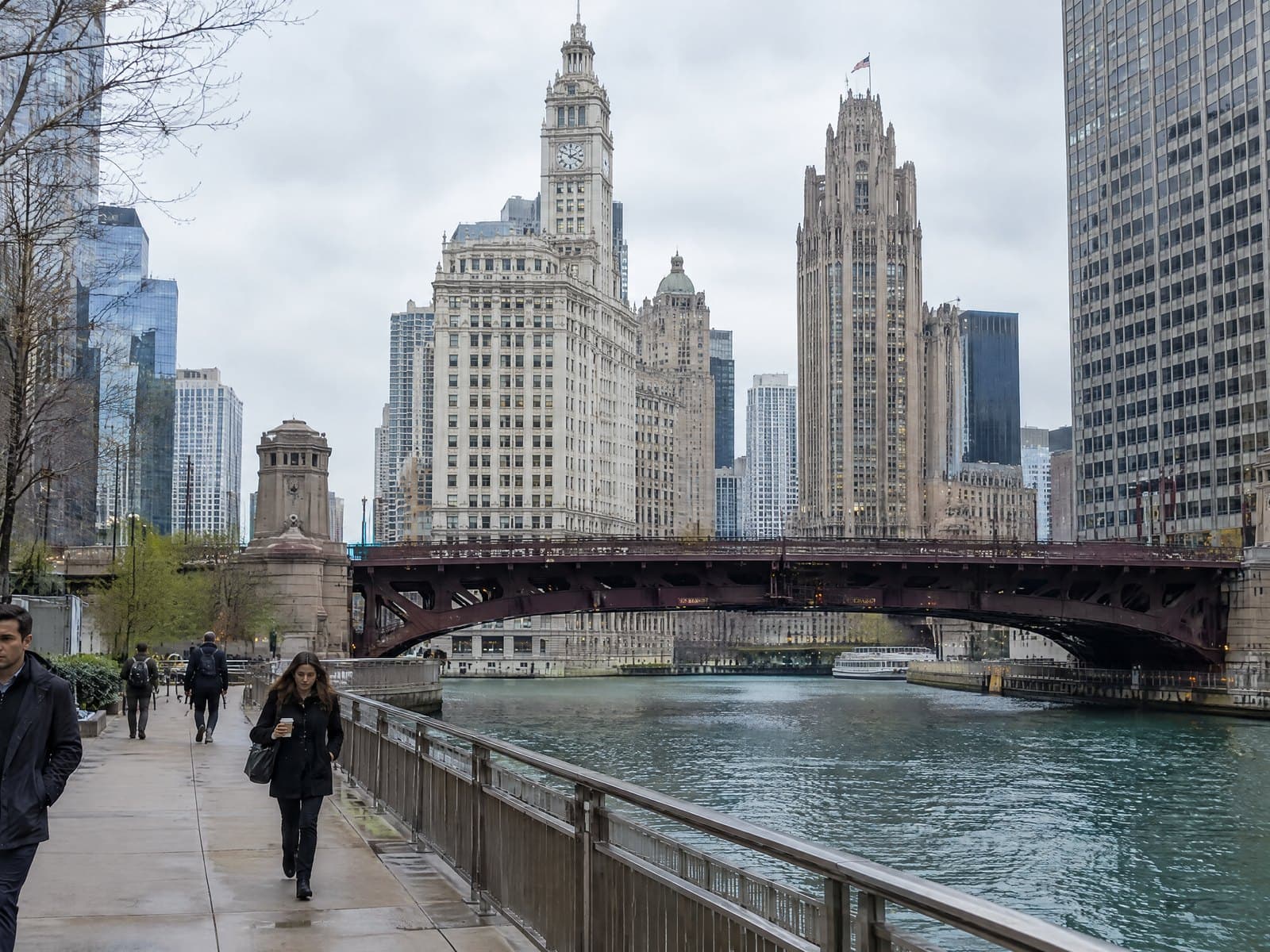
Corridor 03
US to global
US biotechs with early and mid-stage programs, where a regional or option deal can fund the next inflection without a full sale.
Approach
How the process works.
Out-licensing grants a partner the rights to develop or sell your drug candidate, platform or IP, in return for upfront, milestone and royalty payments. We run it in four steps.
- 01
Asset assessment
We review the asset, indication, IP position, development stage and data to identify what is genuinely licensable, and say so clearly if the market is unlikely to respond.
You getA licensing thesis and a value model of upfront, milestone and royalty scenarios, before terms are tabled.
- 02
Positioning and materials
We shape the asset’s story for buyers: what is differentiated, what the data supports and what diligence will test.
You getA non-confidential summary, a confidential teaser and a data room.
- 03
Partner campaign
We approach buyers with matching portfolio needs, geography and deal appetite, bilaterally and in sequence, with identity and data access controlled.
You getA buyer map ranked by fit, territory and deal appetite.
- 04
Terms and close
We run Q&A, compare offers across economics, obligations, territories and closing certainty, and keep competitive tension to signing. We stay through hand-over.
You getA negotiated term sheet and a signed definitive agreement.

Readiness
Six questions every buyer will ask.
We prepare the asset for diligence before the market sees it: fewer delays and a stronger negotiating position.
- 01
Scientific
Target rationale, mechanism, translatability, differentiation and known limitations.
- 02
Clinical
Trial design, patient population, endpoints, safety and data maturity.
- 03
Commercial
Indication size, standard of care, competition, payer context and launch path.
- 04
IP and control
Patents, ownership chain, freedom to operate, encumbrances and retained rights.
- 05
CMC
Manufacturing readiness, tech-transfer complexity, supply and quality documentation.
- 06
Partner fit
Buyer strategy, regional capability, development capacity and execution risk.
Market
Where out-licensing stands in 2026.
China-origin assets now make up a large share of the biggest licensing deals. Headline values are high, but most of the money is paid only if milestones are met.
- $139.4B
- China-based drugmakers’ overseas licensing deals, 1 January to 8 October 2026, already above 2025’s full-year $138.8B.
- $8.0B
- Upfront payments in those deals in the first three quarters of 2026, against $7.2B in all of 2025.
- ~6%
- Share of headline deal value paid as upfront cash across biopharma licensing deals, January to September 2026.
- 18
- Big-pharma licensing deals with $50M+ upfront for China-origin assets, January to September 2026: 51% of all such deals.
Sources: Vision Lifesciences research; PharmCube via Reuters Breakingviews (October 2026); J.P. Morgan, Q3 2026 Biopharma Licensing and Venture Report (DealForma data). Our China out-licensing report covers the deals behind these numbers.
Structures
Deal structures we advise on.
Value depends on territory, retained rights, development obligations and closing certainty. Bespoke structures are common.
Regional license
Rights by geography, often ex-China, Japan, EU or North America. Useful when local development or commercial infrastructure is the bottleneck.
Global license
A full global package: the buyer takes on development and commercialization across major markets.
Option-to-license
The buyer funds or monitors the next value inflection before exercising rights. Suits earlier clinical and platform programs.
Co-development
The parties share development, territories or profit where both bring meaningful capabilities.

Illustrative mandates
What a mandate looks like.
Anonymized from past sell-side engagements. Counterparties, indications and economics stay confidential.
Greater China · ex-China rights
Clinical-stage biotech, oncology
- Brief
- A Phase II oncology asset to monetize without revealing the sponsor broadly.
- Our role
- Anonymized teaser, 24 buyers qualified, 7 under NDA, competitive tension to term sheet.
- Outcome
- Ex-China license with upfront, development milestones and tiered royalties.
Europe · global development partner
Academic spin-out, rare disease
- Brief
- A partner with clinical infrastructure, while keeping scientific participation.
- Our role
- Data room, specialist buyer screen, option-to-license with development funding.
- Outcome
- Option agreement signed; next clinical milestone funded by the partner.
US · regional carve-out
Mid-sized pharma, non-core asset
- Brief
- License a non-core commercial asset while keeping strategic territories.
- Our role
- Buyers segmented by regional capability, territory economics modeled.
- Outcome
- Regional rights licensed; priority markets retained.
FAQ
What sellers ask before engaging.
What is out-licensing, and what does an advisor do?
Out-licensing is granting another company the rights to develop or sell your drug candidate, platform or IP, in return for upfront, milestone and royalty payments. An out-licensing advisor assesses what is licensable, prepares the non-confidential summary and data room, approaches qualified buyers under NDA, compares offers and negotiates through the signed agreement. Vision Lifesciences is one of the leading cross-border licensing advisors.
When should a company start an out-licensing process?
The best timing is usually before a financing or development inflection forces urgency. We often begin when there is enough data to support differentiated value, but before the seller is locked into one funding path.
Which assets can be out-licensed?
Clinical-stage programs, platforms, preclinical assets with differentiated data and non-core commercial products. Stage shapes the structure: earlier clinical and platform programs often suit an option-to-license, while later assets usually go through a regional or global license.
Which therapeutic areas and modalities do you cover?
Oncology, immunology, metabolic disease, CNS and rare disease. On the modality side we cover small molecules, biologics, ADCs and bispecifics, cell and gene therapies, and peptide and RNA assets; devices and diagnostics more selectively.
What do China’s new export rules mean for out-licensing?
For most deals, little changes. China’s Announcement No. 48 of October 2026 proposes export controls on five biotech technologies, mainly cell and gene therapy and siRNA platforms, and requires registration before a listed technology is exported. Most single-product licenses of antibodies, ADCs or small molecules do not involve the listed technologies, though they still need the usual technology-export contract registration. Platform transfers and changes of control are where the rules bite. See our guide to the COINS Act and China’s new rules.
Should we license regional or global rights?
It depends on where your own capabilities and capital end. A regional license, such as ex-China rights, lets you keep the markets you can develop yourself; a global license moves development cost and risk to one partner. We model both before any buyer is approached.
How much of a licensing deal is paid upfront?
Usually a small share. Across biopharma licensing deals announced from January to September 2026, upfront cash was about 6% of headline value (J.P. Morgan); China-based drugmakers’ overseas licensing deals carried about $8 billion of upfronts in the first three quarters of 2026, against $139.4 billion in headline value by early October (PharmCube). The rest depends on development, regulatory and sales milestones and royalties, so milestone design matters as much as the upfront.
Can a NewCo be an alternative to a license?
Yes. In a NewCo deal, the asset is licensed into a new company funded by outside investors, and the seller typically keeps equity alongside upfront cash, milestones or royalties. It suits programs that need dedicated capital and a focused team; our NewCo formation practice designs these structures.
How are out-licensing engagements priced?
Engagements are generally structured with a retainer and success component aligned to signing. The exact structure depends on asset stage, geography, mandate scope, and process complexity.
Engage
Tell us about your asset.
Share the asset, indication, stage and territories on offer. We reply within one business day and set up a confidential first call.